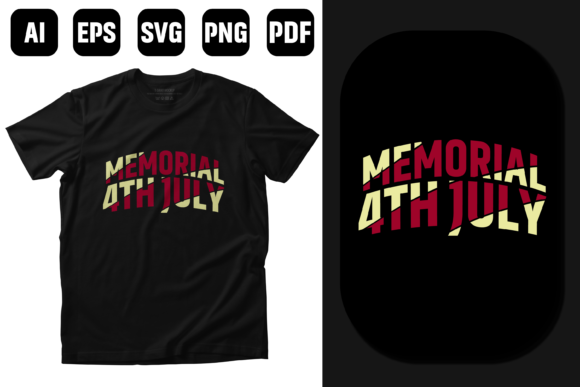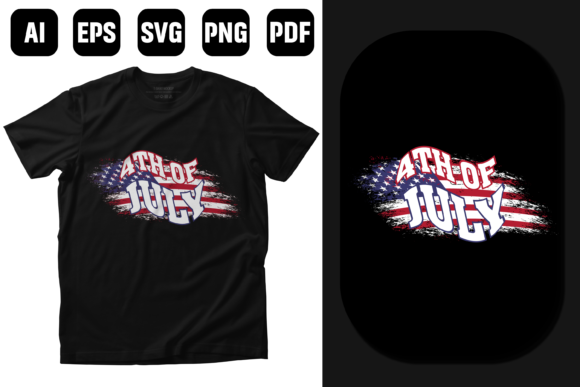
4TH July USA Independence Day T-shirt
When I first opened the folder for 4TH July USA Independence Day T-shirt, my immediate reaction was a mix of nostalgia and practical skepticism. As someone who has stitched thousands of designs for client projects, from boutique apparel to personalized gifts, I know that a holiday theme can easily go wrong if the execution isn't sharp. This design arrives as part of a collection of Print Templates and Graphics, offering files in AI, EPS, SVG, and JPEG formats. While the file variety is excellent for digital sellers, the real question remains: how does it translate when converted into a physical machine embroidery design?
The visual personality of this piece screams festive Americana. It captures the classic red, white, and blue aesthetic without relying on cliché clip-art tropes. The layout feels balanced, suggesting it was built with the constraints of an embroidery hoop in mind rather than just flat screen printing. For a designer looking to create a custom embroidered tote bag or a sweatshirt embroidery project for a local craft fair, this design offers a solid foundation. It creates a mood of celebration that is both patriotic and wearable, making it suitable for everything from baby embroidery items to adult custom apparel.
Real-World Application: From Screen to Stitch
Let's imagine a specific scenario where I decided to test 4TH July USA Independence Day T-shirt on a real product. I had a small shop order for 50 aprons intended as holiday gifts for a local bakery. The goal was to add a subtle yet proud touch of American pride to their kitchen staff uniforms. I selected a heavy cotton canvas apron and chose a stabilizer that would support the weight of the design without distorting the fabric texture.
The initial stitching run revealed that the design handles fill stitch areas well. The density appears consistent, which is crucial for preventing puckering on stretchy fabrics like t-shirts or thin materials like tea towels. When I placed the design on the chest area of the apron, the visual appeal was immediate. It didn't look like a cheap sticker; it looked like a professional embroidery project. The thread colors likely pop against the dark or neutral backgrounds typical of kitchen wear, enhancing the product value and giving the finished item a sense of brand consistency.
However, not every surface is created equal. If I were attempting to use this same design on a curved surface like a baseball cap, I would need to be extremely careful. The curvature can distort the aspect ratio of the text and graphics, potentially making the lettering look slanted or compressed. In such cases, the hoop size becomes a critical factor. A smaller hoop might force the design to shrink too much, losing the detail that makes it effective. Conversely, a larger hoop might require more stabilization time and increase the risk of fabric shifting during the run.
Navigating Fabric Challenges and Limitations
While the design is robust, there are specific situations where caution is required. Embroidery is unforgiving when it comes to stitch density and fabric choice. If you plan to use this embroidery file on a textured fabric like corduroy or a loose weave linen, the stitches may sink into the material, blurring the definition of the lines. Similarly, applying this to a very thin fabric without proper backing could lead to tears or excessive show-through on the reverse side.
I also advise paying close attention to the small details within the design. Many holiday designs include tiny stars or intricate script that can get lost in the stitching process. On a standard commercial embroidery machine, these elements might merge together, creating a muddy appearance rather than crisp points. Before committing to a full production run, always test the design on scrap fabric first. This step allows you to inspect small details and ensure that the running stitch or satin stitch edges remain clean.
Another consideration is the color contrast. The design relies heavily on the interplay between light and dark threads. If you are working with a dark fabric background, you must select thread colors that provide sufficient contrast. A light gray star on a navy shirt might disappear entirely once stitched. Testing in black and white mockups before finalizing your thread palette can save you from costly mistakes. This is particularly important for Etsy sellers or small business owners who rely on high-quality images to attract buyers.
Strategic Use Cases for Your Craft Business
This design shines brightest when used as a centerpiece for holiday embroidery collections. It fits naturally into a lineup of custom apparel for summer events, Fourth of July parades, or family reunions. Parents often look for personalized gifts that celebrate national holidays, and a well-executed version of 4TH July USA Independence Day T-shirt on a onesie or a baby blanket can be a hit. The design's versatility extends to embroidered patches that can be sewn onto denim jackets or backpacks, adding a unique flair to handmade products.
For digital product sellers, the inclusion of vector files like AI and EPS is a significant advantage. You can resize the artwork for printable mockups or create digital previews for clients without worrying about pixelation. However, remember that converting a vector graphic into a machine-ready format requires skill. Ensure that the digitization process preserves the integrity of the original graphics. If the conversion results in jagged edges or broken paths, the final finished product will suffer, regardless of how beautiful the source image was.
There are also limitations to consider regarding commercial use. While the product description mentions suitability for POD (Print on Demand) businesses, you must confirm the licensing terms before selling finished items. Some designers allow personal use but restrict commercial sales unless a specific license is purchased. Always verify whether the digital embroidery file permits you to sell the embroidered goods or if it is limited to personal crafting only. This distinction is vital for maintaining professionalism and avoiding legal issues in your craft business.
Final Thoughts on Design Integrity
In conclusion, 4TH July USA Independence Day T-shirt is a strong candidate for anyone looking to add a patriotic touch to their embroidery portfolio. Its clean lines and festive theme make it adaptable for a wide range of projects, from tote bag design ideas to sweatshirt embroidery for team events. The key to success lies in preparation: choosing the right stabilizer, testing on scrap fabric, and respecting the limitations of your equipment.
When executed correctly, this design elevates the perceived quality of your work. It signals to customers that you care about the details, fostering trust and encouraging repeat business. Whether you are a seasoned pro or a hobbyist maker, taking the time to evaluate how a design performs in real-life scenarios ensures that your embroidery project delivers on its promise. Just remember to check your thread colors, manage your hoop size expectations, and always prioritize the stability of your fabric. With these precautions in mind, you can confidently turn this digital asset into a cherished physical keepsake.