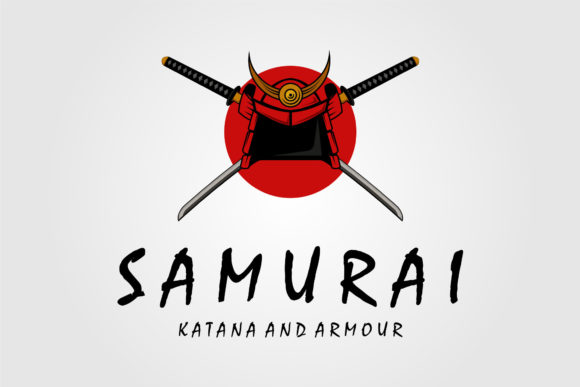
Katana and Helmet Samurai Logo Vector Review
When I first opened the Katana and Helmet Samurai Logo Vector file, the immediate feeling was one of sharp precision and historical weight. As a designer who spends hours evaluating embroidery files for client projects, I look for more than just a pretty image; I need to know if it will hold up under the needle. This design strikes a balance between bold graphic elements and intricate detail that feels perfect for a specific niche: brands or individuals who want to convey strength, tradition, and discipline without looking cluttered.
The mood created by this vector is undeniably masculine and commanding. The silhouette of the helmet combined with the sweeping line of the katana creates a strong vertical axis that naturally draws the eye. It isn't a playful doodle or a soft watercolor style; it is a solid, confident piece of art. For an embroidery project, this translates to high-impact visual appeal. When stitched onto a garment or accessory, it doesn't just sit there; it asserts presence. Whether you are creating a custom patch for a motorcycle club jacket or a logo for a martial arts dojo, the visual personality of the Katana and Helmet Samurai Logo Vector fits seamlessly into a narrative of resilience and skill.
From Digital File to Finished Stitch
I recently put this design through a real-world test scenario to see how it would perform on actual fabric. My goal was to create a limited run of custom embroidered tote bags for a local craft fair booth selling handmade leather goods. I needed something that would elevate the brand identity from "generic shop" to "premium artisan." The Katana and Helmet Samurai Logo Vector offered exactly that level of sophistication.
Opening the EPS file in Adobe Illustrator, as recommended, allowed me to scale the design perfectly before converting it for my machine. The vector nature of the graphics meant I could adjust the size without losing any crisp edges. In the hoop, the design proved its worth. The lines of the sword and the curves of the helmet translated beautifully into satin stitches, maintaining their integrity even at smaller sizes. On the canvas tote bag, the contrast between the thread color and the fabric texture made the design pop. Customers stopped to touch the bag, drawn in by the tactile quality of the stitching. It added a layer of perceived value that a simple printed logo never could achieve.
This same principle applies when considering other products like sweatshirts, aprons, or even baby items. For a small business owner, using a design like this can transform a standard merchandise item into a collectible piece. Imagine a black hoodie with the Katana and Helmet Samurai Logo Vector embroidered in white or gold thread on the chest. The density of the fill stitch adds a luxurious feel that customers associate with higher-end brands. It turns a simple piece of clothing into a statement of identity.
Navigating Fabric and Hoop Challenges
While the design is robust, no single file is a magic bullet for every situation. There are specific scenarios where the Katana and Helmet Samurai Logo Vector requires careful consideration. If you are working with a very small hoop size, such as those used for hat embroidery or delicate baby clothes, you must be vigilant about the fine details. The helmet's decorative elements might get lost if the design is scaled down too much, resulting in a muddy appearance rather than a crisp image.
Textured fabrics also present a unique challenge. While the design looks great on smooth cotton or denim, placing it on a heavily textured weave like bouclé or thick fleece can obscure the finer lines of the katana. Similarly, stretchy fabrics require a stabilizer strategy that goes beyond the basics. Without proper backing, the tension of the satin stitch on the helmet rim could cause the fabric to pucker, ruining the professional finish of the finished product.
Dark fabrics demand extra attention to thread selection. A light-colored outline on a dark background is essential to ensure the shape remains visible. Conversely, if you are using this for a commercial embroidery project on a light-colored shirt, you might opt for a darker thread with a contrasting border to make the design stand out. Testing the design on scrap fabric first is not just advice; it is a necessity. You need to verify the stitch density and ensure that the running stitches connecting the different parts of the helmet do not break under stress.
Impact on Branding and Customer Trust
In the world of Etsy sellers and creative entrepreneurs, presentation is everything. A well-executed embroidery project signals professionalism and care. When a customer receives a personalized gift featuring the Katana and Helmet Samurai Logo Vector, they are receiving a piece of art that has been meticulously crafted. This attention to detail builds trust. It tells the buyer that the maker cares about quality, which encourages repeat business and positive reviews.
The versatility of this design allows it to serve as a powerful branding asset. It works exceptionally well for boutique branding where a distinct visual identity is crucial. Whether you are designing a holiday gift collection or a line of kitchen towels, this vector provides a consistent theme that ties your products together. The clean lines of the vector-based designs mean you can easily adapt the color palette to match seasonal trends while keeping the core identity intact. This flexibility is vital for digital product sellers who offer printable mockups or design assets to other creators.
However, there are limitations to keep in mind. The non-editable text aspect mentioned in the file description means you cannot alter any lettering within the original artwork. If your project requires a specific name or slogan integrated into the logo, you will need to add that separately using your own digitizing skills. Furthermore, while the vector shapes are editable, the complexity of the design means it may not be suitable for all types of applique work unless you have advanced skills in handling multiple layers.
Practical Tips for the Embroidery Designer
To get the most out of the Katana and Helmet Samurai Logo Vector, follow these practical steps before committing to a full production run. First, always check the thread color contrast against your intended fabric. A design that looks stunning on a computer screen might vanish on a dark blue background if the wrong thread is chosen. Second, review the stitch density in your software. High-density areas, particularly around the curved edges of the helmet, can sometimes lead to puckering if not balanced correctly with the surrounding fill stitches.
Confirm your hoop size early in the process. If the design is large, you may need to rehoop the fabric, which requires precise alignment to avoid misregistration. Inspect small details closely after stitching; tiny corners of the sword guard might need to be reinforced with additional tack-down stitches to prevent fraying over time. Comparing light and dark fabric backgrounds in your mockups will help you decide on the best thread combination for maximum visibility.
Finally, use a proper stabilizer suited to your fabric type. For woven fabrics, cut-away stabilizers provide the best support for long-lasting wear, especially on items that will be washed frequently like aprons or tote bags. Ensure that the design works for both personal and commercial projects by reviewing the license terms carefully. If you plan to sell finished items featuring this Katana and Helmet Samurai Logo Vector, confirming the licensing agreement is the final step before you start your machine.
Ultimately, this design is a strong addition to any library of machine embroidery design assets. It offers a blend of artistic flair and structural clarity that serves well in a variety of contexts, from hobbyist crafts to serious commercial ventures. By understanding its strengths and respecting its limitations, you can create embroidery projects that truly resonate with your audience.