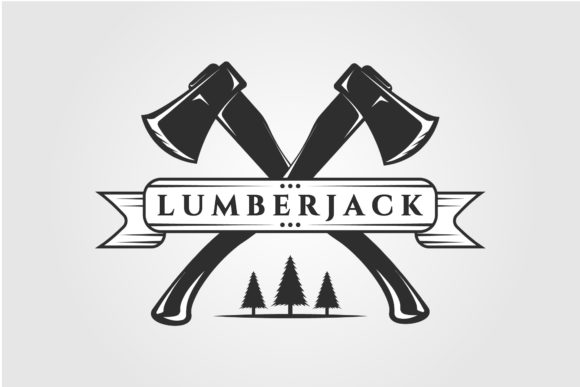
Lumberjack Logo Vintage Vector Design Review
As a designer who has spent years turning digital files into tangible, stitched treasures, I know that the difference between a good project and a great one often comes down to the initial asset. You can have the best machine, the highest quality thread, and the most skilled hand, but if your embroidery design lacks the right character or technical structure, the final result will feel flat. Recently, I put the Lumberjack Logo Vintage Vector Design through its paces to see if it truly belongs in a professional workflow. This isn't just another download; it is a specific set of Logos and Graphics meant to evoke a rugged, nostalgic aesthetic that fits perfectly into modern handmade commerce.
My first impression of the Lumberjack Logo Vintage Vector Design was immediate clarity. The vintage theme suggests warmth, durability, and a connection to heritage—qualities that resonate deeply with customers looking for authentic handmade products. When you open the file, you aren't greeted by cluttered lines or confusing geometry. Instead, the layout feels balanced, with a visual personality that screams "craftsmanship." It is the kind of design that naturally belongs on a heavy-duty canvas tote bag or a thick cotton sweatshirt, where the texture of the fabric complements the ruggedness of the motif.
From Digital File to Finished Product: A Real-World Scenario
To understand how this design performs, let's imagine a real-life scenario. I am preparing a custom order for a local boutique owner who sells outdoor gear and artisanal kitchen goods. She needs an embroidered patch for her staff aprons and a matching logo for a line of holiday gift towels. The client wants something that feels established, not trendy or fleeting. This is where the Lumberjack Logo Vintage Vector Design shines.
I started by converting the vector data into a stitch pattern suitable for my machine. Because the source is a true vector file, the curves remain smooth even when scaled down for smaller items like baby bibs or upped for large wall hangings. The design translates beautifully onto a dark navy apron, creating a striking contrast that immediately elevates the perceived value of the item. When the finished product arrived at the boutique, the customer didn't just see a logo; they saw a story. The vintage style added a layer of trust and professionalism that generic clipart simply cannot achieve.
This versatility extends beyond just apparel. Imagine using this design as a central element on a custom apparel piece for a small shop product launch. Whether it is a sweatshirt embroidery project for a winter market or a subtle accent on a tote bag design, the design holds its own. For an Etsy seller or a small business merchandise creator, having a design that looks equally at home on a kitchen towel as it does on a pillow cover is a massive advantage. It allows you to create cohesive branding across multiple design assets without needing to hire a new artist for every variation.
Technical Performance and Stitch Considerations
While the aesthetic appeal is undeniable, the true test of any machine embroidery design lies in its execution. The Lumberjack Logo Vintage Vector Design offers a mix of satin stitch elements for clean outlines and fill stitch areas that provide depth. However, experienced designers know that density is everything. If the stitch density is too high, the fabric puckers; if it is too low, the coverage looks sparse.
When working with this file, I found that the vector-based nature allows for significant adjustments. You can tweak the thread colors to match your brand palette exactly, ensuring that the finished product aligns with your vision. The ability to edit the vector shapes means you can remove unnecessary details if you are working on a very small hoop size. For instance, if you are stitching a tiny detail on a cap, you might need to simplify the inner textures to ensure the needle doesn't crowd itself out. This flexibility is crucial for commercial embroidery projects where consistency is key.
However, there are situations where caution is required. This design should be used carefully on highly textured fabrics or thin materials that cannot support the weight of dense stitching. Stretchy fabrics require a stabilizer strategy that goes beyond the standard approach; you must ensure the base is rigid enough to prevent distortion. Similarly, while the design is robust, extremely small lettering or intricate corners might get lost if the resolution of the final digitization isn't optimized. Always inspect the small details before committing to a full production run.
Where to Use and Where to Pause
The Lumberjack Logo Vintage Vector Design is versatile, but it is not a magic bullet for every surface. It excels on stable, medium-to-heavy weight fabrics like denim, canvas, and felt. These materials provide the perfect foundation for the vintage look, allowing the stitches to sit proud and defined. It is also excellent for embroidered patches intended for iron-on application or sewing onto jackets.
Conversely, be wary of using this design on curved surfaces like baseball caps without proper customization. The curvature can distort straight lines, making the logo look uneven unless the digitizing accounts for the 3D shape. Dark fabrics can work well if you use a high-contrast thread color, but testing is non-negotiable. What looks crisp on a screen might get swallowed by a black background if the underlay isn't set correctly. Furthermore, if you are creating a personalized gift that requires frequent washing, ensure the design is anchored properly to prevent fraying over time.
Practical Notes for the Modern Maker
If you are an embroidery designer, a creative entrepreneur, or a hobbyist looking to expand your offerings, here is my advice based on my experience with this file. First, always test the design on scrap fabric. This simple step reveals issues with tension, pull compensation, and thread breakage before you ruin a valuable garment. Check the stitch density visually; if the fabric looks bunched up, reduce the fill density or adjust the running stitch paths.
Review the file formats provided. The package includes EPS, SVG, PDF, and JPG, which gives you a solid starting point. For the best results, open the EPS file using Adobe Illustrator to manipulate the vectors before importing them into your digitizing software. This ensures you have full control over the embroidery file structure. Remember that the text within the design is non-editable, so plan your composition accordingly. You can change the vector-based designs themselves, but keep the typography as is unless you digitize new text separately.
Consider the end-user experience. A well-executed embroidery project builds customer trust and enhances brand consistency. When a buyer sees a clean, professional embroidered patch or a neatly stitched holiday gift, they are more likely to return. The Lumberjack Logo Vintage Vector Design supports this by offering a timeless look that transcends seasonal trends. Whether you are selling digital product previews or physical apparel decorators items, this design adds a layer of sophistication.
Finally, confirm your licensing terms before selling finished items. While the vector nature allows for creative freedom, commercial rights vary. Ensure you are compliant with any restrictions regarding commercial embroidery or resale of digital files. By taking these practical steps, you transform a simple graphic into a premium asset that drives engagement and sales.
In conclusion, the Lumberjack Logo Vintage Vector Design is a strong candidate for anyone looking to add a touch of rustic charm to their portfolio. It balances artistic flair with technical feasibility, making it ideal for crafter business owners and small shop product creators alike. With careful preparation and attention to detail, this design can elevate your work from a simple craft to a professional brand statement.