UNIQUE Vaccinated-tshirt-design Review
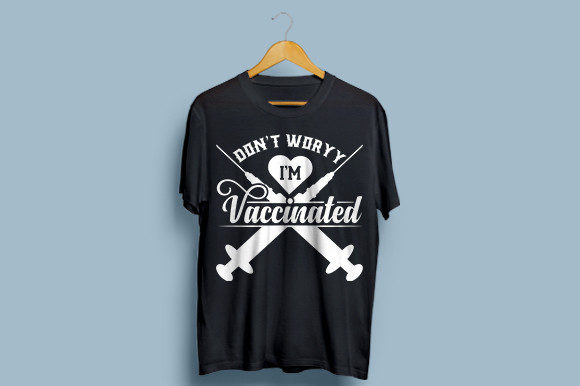
As someone who has spent years refining embroidery files for boutique clients and personal gifts, I approach every new digital embroidery file with a mix of excitement and skepticism. When I first opened the UNIQUE Vaccinated-tshirt-design, my immediate reaction was one of curiosity about how this concept would translate from a vector screen to actual thread on fabric. The prompt mentions it is made with 100 resizable vector shapes and is fully editable in EPS 10 and SVG formats, which immediately signals flexibility. But does that flexibility survive the rigors of a sewing machine? In this review, I am stepping out of the software editor and into the real world to see how this design performs when it matters most: during production.
The First Stitch: Visual Personality and Mood
The name alone suggests a bold statement piece. When evaluating any T-Shirt Designs or apparel graphics, the first thing I look for is the mood. Does it feel playful, serious, or perhaps ironic? The layout of UNIQUE Vaccinated-tshirt-design appears to have a distinct visual personality that leans towards modern, graphic storytelling. Unlike traditional floral motifs or simple text-based logos, this design seems built to make a point. For a designer, this is crucial because it dictates where the item belongs in a customer's wardrobe.
I imagine this design not just as a standard chest logo, but as a centerpiece for a larger collection. The fact that it consists of 100 resizable vector shapes means you aren't stuck with a rigid image. You can stretch, compress, or isolate specific elements to fit different garment cuts. This level of control is rare in pre-made assets and makes it a valuable asset for a craft business owner who needs to customize items for specific client requests without starting from scratch.
A Real-World Scenario: The Custom Sweatshirt Project
To truly test the potential of UNIQUE Vaccinated-tshirt-design, let's walk through a hypothetical project. Imagine you are an Etsy seller preparing a limited run of custom embroidered sweatshirts for a local community event or a small shop launch. You want something that stands out but doesn't require hours of digitizing time.
You decide to place the design on the back of a heavy cotton-blend sweatshirt. Because the file is described as having easy-to-modify colors, you swap the default vector fill to a deep navy thread to contrast against a charcoal grey fabric. As you load the file into your machine, the 100 individual shapes allow you to separate complex areas if needed, ensuring that no part of the design gets lost in the stitching process. The result is a finished product that looks professional and intentional, rather than like a generic clipart transfer. It elevates the perceived value of the garment, turning a basic hoodie into a statement piece that customers will be proud to wear.
Performance Across Different Embroidery Projects
While sweatshirts are a great starting point, the versatility of this design extends far beyond casual wear. The description notes it is ready for stickers, posters, and various apparel types. Here is how I see it performing in other common scenarios:
- Tote Bag Design: For a canvas tote, the clean lines of the vector shapes would work beautifully. However, you must consider the tension. Canvas is sturdy, but if the design includes dense fill stitch areas, it might create a stiff spot that affects the bag's drape. Using a lighter touch or adjusting the density could solve this.
- Baby Embroidery: If adapted for baby clothes, the design needs careful scaling. Babies' clothing requires softer textures. A design meant for adult streetwear might look too harsh on a onesie unless the edges are softened or the scale is reduced significantly.
- Holiday Embroidery: This design could easily be repurposed for seasonal merchandise. By changing the thread colors to festive reds and greens, or keeping them monochromatic for a sophisticated look, it becomes a versatile tool for holiday gift shops.
- Embroidered Patch: The defined shapes make it a strong candidate for a cut-out patch. The ability to edit the vector paths ensures you can add a border or trim the excess cleanly before applying it to a jacket or hat.
Where Caution Is Required
Despite its strengths, no single design is perfect for every situation. As an experienced reviewer, I need to highlight where UNIQUE Vaccinated-tshirt-design might face challenges. Precision is key in embroidery, and certain fabrics and surfaces demand more attention than others.
If you plan to use this on a curved surface like a cap, you must be mindful of the distortion. The 100 vector shapes offer control, but the curvature of a hat brim can warp straight lines. It is best to preview the design on a digital mockup of the hat shape first. Similarly, if you are working with thin or stretchy fabrics, such as lightweight t-shirts or jersey knits, high stitch density can cause puckering. You may need to switch to a lighter stabilizer or reduce the number of stitches in the densest areas.
Small hoop sizes present another hurdle. If the design contains intricate details or tiny lettering, shrinking it down to fit a 4x4 inch hoop might result in lost definition. Threads can merge together if the spacing is too tight, creating a muddy appearance. Always inspect small details on your monitor at 100% zoom before sending the file to the machine. Also, be cautious with dark fabrics; if the design relies on light thread colors for contrast, ensure the underlay is sufficient to prevent the fabric from showing through.
Impact on Brand Consistency and Customer Trust
In the world of handmade products and commercial embroidery, the quality of the finish directly impacts customer trust. A poorly stitched design can ruin an otherwise excellent product. UNIQUE Vaccinated-tshirt-design, with its high-quality vector origins, offers a solid foundation for a professional look. When a customer receives a personalized gift or a boutique item, they notice the crispness of the stitches and the clarity of the design.
This design allows for brand consistency across different product lines. Whether you are selling aprons, kitchen towels, or pillow covers, the core visual identity remains intact while adapting to the medium. This reliability is what turns one-time buyers into repeat customers. Furthermore, the ability to modify colors means you can create variations for different seasons or themes without losing the unique character of the original artwork.
Practical Designer Notes for Success
Before you commit to a full production run, here are some essential steps to ensure the best outcome with this design asset:
- Test on Scrap Fabric: Never skip this step. Run a test stitch on a scrap piece of the same fabric you intend to use. This reveals issues with tension, puckering, or color bleeding before you damage a final product.
- Check Thread Color Contrast: Use proper stabilizer and verify that your chosen thread colors pop against the background fabric. Sometimes a design looks great on a white screen but disappears on a black shirt.
- Review Stitch Density: High-density designs can be heavy. Ensure your machine can handle the stitch count without skipping threads. Adjust the density settings in your digitizing software if necessary.
- Confirm Hoop Size: Verify that the design fits within your intended hoop size, leaving enough margin for hooping without cutting into the design.
- Inspect Small Details: Zoom in on the smallest elements. If they are too fine, they may not hold up after washing.
- Test Black and White Mockups: Convert the design to grayscale to check the balance of light and dark areas. This helps visualize the final texture.
- Licensing Check: Confirm whether the license allows for commercial use. If you plan to sell finished items or digital previews, ensure you have the rights to do so.
Ultimately, UNIQUE Vaccinated-tshirt-design represents a strong opportunity for designers looking to expand their offerings. Its flexibility and clear structure make it a reliable choice for everything from personalized gifts to large-scale commercial embroidery. By following practical testing protocols and understanding the limitations of different fabrics, you can transform this digital asset into a tangible, high-value product that delights your customers.