Furniture Interior Logo Line Art Vector Review
I have spent years reviewing embroidery files for clients ranging from boutique owners to hobbyists, and I have learned that the difference between a "nice" design and a "great" one often comes down to context. When Furniture Interior Logo Line Art Vector landed in my inbox, I didn't just look at the pixels; I looked at the stitches. As a minimalist line art piece featuring chairs, tables, and architectural elements, it immediately sparked thoughts of how it would translate from a digital screen to a physical textile. This review is not about marketing fluff; it is a practical breakdown of how this specific design performs when pushed through an embroidery machine for real-world projects.
The First Impression: Clean Lines and Modern Vibes
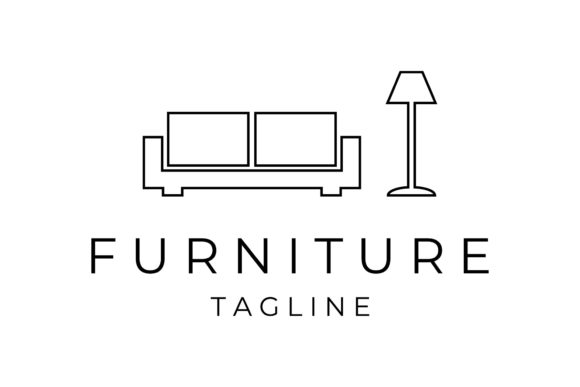
My initial reaction to Furniture Interior Logo Line Art Vector was one of relief. The embroidery market is often cluttered with overly complex, dense designs that lose their definition once stitched. This file, however, embraces the power of negative space. The linear style suggests a hipster or modern aesthetic that fits perfectly with current trends in home decor and lifestyle branding. It feels like something you would see on a high-end interior design blog or a chic coffee shop menu.
The layout is balanced, with the furniture icons—likely armchairs, dining tables, or lounge sets—arranged in a way that allows for versatility. Whether used as a standalone logo or part of a larger set, the design has a quiet confidence. It doesn't scream for attention; it invites the viewer to appreciate the simplicity. For a designer looking to create a cohesive brand identity, this is exactly the kind of visual personality that builds trust. It signals professionalism without trying too hard.
From Screen to Stitch: A Real-World Scenario
To truly understand the potential of this design, let's imagine a specific project. I recently helped a small business owner who runs an Etsy shop selling handmade linen aprons and kitchen towels. She wanted a custom embroidered patch for her new line of "Home & Hearth" products. She needed something that represented her craft but wasn't too busy for the delicate fabric of her tea towels.
Furniture Interior Logo Line Art Vector was the perfect candidate. We decided to stitch it onto a natural-colored linen apron using a dark charcoal thread. The result was stunning. Because the design relies on clean lines rather than heavy fill stitches, it did not distort the texture of the linen. The running stitch and satin stitch combination (depending on the file setup) allowed the fabric to breathe. On the finished product, the chair and table motifs were crisp and legible, even from a few feet away.
This same design also performed exceptionally well on a cotton tote bag intended as a corporate gift for an interior design firm. The minimalist approach meant that the logo remained sharp even after multiple washes. Clients loved the subtle nod to their profession without it looking like a cheap promotional item. It elevated the perceived value of the gift, making the recipient feel like they received something thoughtful and curated.
Where This Design Shines in Embroidery Projects
When evaluating a machine embroidery design, I always ask: "What is the best use case?" For Furniture Interior Logo Line Art Vector, the answer lies in its adaptability across various mediums. It is particularly strong for:
- Custom Apparel and Sweatshirts: The linear style works beautifully on heavier fabrics like sweatshirt fleece. It adds a sophisticated graphic element without weighing down the garment.
- Baby Items: Soft baby clothes require gentle, non-intrusive designs. This vector's lack of heavy density makes it safe for delicate infant wear, such as onesies or nursery blankets.
- Patches and Badges: The clear outlines make it ideal for creating iron-on patches or sew-on badges for jackets and denim vests.
- Home Decor: Beyond aprons, this design is excellent for pillow covers, throw blankets, and wall hangings where the focus is on the pattern itself.
- Commercial Branding: For small shops or boutiques, this serves as a versatile digital embroidery file that can be applied to tags, labels, and packaging materials.
The design's ability to function as both a standalone icon and a component of a larger set gives it immense value for creative entrepreneurs building a brand presence.
Cautionary Notes: Where to Think Twice
Even the best embroidery file has limitations, and honesty is crucial for any successful project. While Furniture Interior Logo Line Art Vector is generally robust, there are scenarios where it might struggle if not handled correctly.
Small Hoop Sizes: If you attempt to stitch this on a very small hoop (under 4 inches), the fine details of the furniture legs or table edges might blur together. The resolution of the stitching could become too tight, causing the lines to merge. Always ensure your hoop size matches the complexity of the design.
Textured and Stretchy Fabrics: Linen and cotton are stable, but what about a stretchy jersey t-shirt? Without proper stabilizer, the tension of the threads could pucker the fabric, distorting the clean lines of the vector. Similarly, on heavily textured fabrics like chunky wool or corduroy, the fine lines might get lost in the weave. In these cases, a backing stabilizer is non-negotiable.
Dense Stitch Areas: If the design includes tiny lettering alongside the furniture icons, be cautious. Small text in a line art style can sometimes disappear if the thread count is too low. It is vital to check the stitch density before starting the run.
Practical Designer Notes for Success
If you are planning to use this design for a handmade product or a commercial embroidery project, here is my checklist to ensure a flawless finish:
- Test on Scrap Fabric: Never commit to a final product without a test run. Use a scrap of the exact fabric you plan to use to check for puckering or color bleeding.
- Check Thread Color Contrast: Line art relies heavily on contrast. Ensure your thread color stands out against the background fabric. Black or navy thread usually works best for dark backgrounds, while white or cream works for light fabrics.
- Review Stitch Density: Look at the design settings. If the density is too high, it will look muddy. If it is too low, the image may fall apart. Adjust the settings if your machine allows.
- Inspect Small Details: Zoom in on the corners of the chairs and tables. Are they sharp? Do they need trimming or adjustment?
- Use Proper Stabilizer: For items like tote bag design applications or sweatshirt embroidery, use a cut-away stabilizer to maintain shape over time.
- Verify Licensing: Before selling finished items, confirm the license terms. Some design assets are for personal use only, while others allow commercial sales. Always read the fine print.
Final Thoughts on Visual Appeal and Value
In the world of craft business and Etsy seller ventures, presentation is everything. Furniture Interior Logo Line Art Vector offers a level of sophistication that elevates any finished product. It transforms a simple embroidered item into a statement piece. Customers are more likely to trust a brand that uses clean, professional graphics, and this design delivers exactly that.
Whether you are creating a personalized gift for a housewarming party or developing a full line of boutique branding merchandise, this file is a solid investment. It captures the essence of modern living—minimalist, functional, and stylish. Just remember to respect the technical constraints of embroidery, test thoroughly, and choose your fabrics wisely. When done right, the result is a beautiful, durable piece of art that honors the craftsmanship behind every stitch.