Line Art Monoline Sailing Ship Logo Review
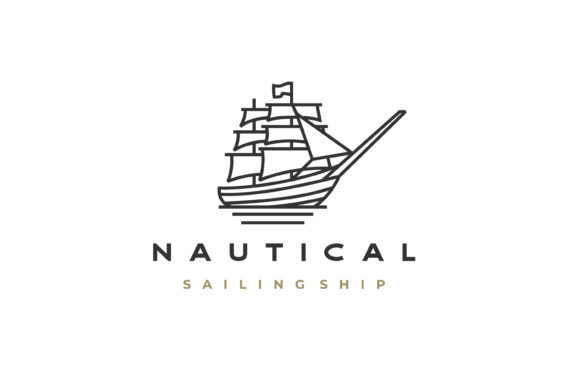
When I first opened the file for the Line Art Monoline Sailing Ship Logo, my immediate thought wasn't about the vector quality or the editable features. It was about the mood. There is a distinct nautical romance in that single continuous line, and it feels incredibly timeless. As someone who has spent years turning digital files into tangible stitched goods, I know that a design's success often comes down to whether it captures a feeling before it even touches the hoop. This Logos category entry hits that mark right away. It isn't just a picture of a ship; it is a stylized interpretation that suggests movement and adventure without getting bogged down in excessive detail.
I recently decided to put this Line Art Monoline Sailing Ship Logo through its paces for a real-world scenario: creating a boutique collection of custom embroidered tote bags for a local artisan market. The goal was to produce something that felt handcrafted but maintained a clean, professional aesthetic suitable for both personal gifts and small business merchandise. The monoline style of this Graphics asset seemed perfect for the project because it promised clarity on fabric that might have texture or weave.
The First Stitch: Visual Impact and Design Personality
The strength of this Line Art Monoline Sailing Ship Logo lies in its simplicity. In the world of machine embroidery, where thread thickness can sometimes obscure fine lines, a monoline approach is a smart choice. It translates beautifully from screen to stitch. When I previewed the design on a mockup of a canvas tote bag, the silhouette held its shape perfectly. It doesn't rely on heavy fill stitches that could distort the fabric, nor does it use tiny details that might disappear when stitched on a textured surface.
The vintage retro vibe adds a layer of sophistication that appeals to today's crafters and Etsy sellers. It feels like something you would see on a well-loved piece of luggage or a classic sailor's jacket. For a handmade product, this level of visual personality is crucial. It elevates the item from a generic store-bought tote to a curated piece of art. The fact that the text is non-editable is a minor limitation, but for many applications, such as branding a specific shop or creating a uniform logo, having a fixed, cohesive element can actually be an advantage.
Real-World Application: From Tote Bags to Nursery Decor
This Line Art Monoline Sailing Ship Logo is versatile enough to span several categories of embroidery projects. While I tested it on a tote bag, my mind immediately started brainstorming other uses. Imagine this design stitched onto a baby onesie or a soft cotton bib for a nautical-themed nursery. The clean lines are gentle and safe-looking, making them ideal for baby embroidery.
For those running a craft business, the possibilities extend to holiday gifts. A sweatshirt with this design embroidered on the chest creates a cozy, stylish look perfect for autumn or winter. It also works exceptionally well as a patch for denim jackets or backpacks. The monoline style ensures that even on a curved surface like a cap, the design remains legible and attractive. Unlike complex designs that require multiple color changes and dense stitching, this file allows for a quicker production time, which is vital when fulfilling orders for a small shop product.
Furthermore, the high-quality vector nature means it scales effortlessly. Whether you are creating a large pillow cover for a living room or a tiny embroidered accent on a kitchen towel, the resolution holds up. This flexibility makes it a valuable asset for digital product sellers who need to create printable mockups or offer various sizes to their customers.
Where Caution Is Key: Fabric and Hoop Considerations
While the design is robust, no single embroidery file is universally perfect. There are specific scenarios where the Line Art Monoline Sailing Ship Logo requires careful planning. If you are working with very small hoop sizes, you must ensure the dimensions of the ship fit within the boundary without being cut off. The continuous line nature means that if the design is too small, the curve of the hull might lose its definition.
Textured fabrics, such as thick fleece or bouclé, can sometimes swallow up thin lines. In these cases, the contrast between the thread and the fabric becomes critical. I recommend testing the design on scrap fabric first to see how the stitch density interacts with the material. On stretchy fabrics like jersey, the lack of heavy fill stitches is a benefit, but you will still need a strong stabilizer to prevent puckering, especially around the curves of the sails.
Dense stitch areas are generally not a concern here, but if you are using this on dark fabric, you must select thread colors that provide sufficient contrast. A light blue or white thread on a navy background will make the Line Art Monoline Sailing Ship Logo pop, whereas a similar shade might get lost. Additionally, if you plan to wash the finished product frequently, such as aprons or tea towels, ensure that the thread used is durable and the design is anchored properly to withstand the agitation.
Professional Notes for the Embroidery Designer
Before you rush to start your next commercial embroidery project, there are a few practical steps to take. First, always inspect the small details in the design file. Even though it is a monoline style, check that the corners and intersections are clean and that there are no stray points that could cause thread breaks.
Review the stitch density settings in your digitizing software. While the description highlights "High Quality," actual results depend on your machine and the specific fabric. Adjust the tension and speed if necessary to maintain the crispness of the line. Since the text is non-editable, verify that the wording fits your brand identity or client requirements before committing to a large run. If you need to change the text, you will have to delete and replace it manually, so plan your layout accordingly.
Confirm the licensing terms clearly. Are you allowed to sell finished items? Can you use this in digital mockups? Understanding these boundaries protects your craft business and ensures you are compliant with the designer's terms. Also, consider the visual appeal of the final product. Does the Line Art Monoline Sailing Ship Logo convey the right message? For a gift, it suggests a love for the sea and travel. For a brand, it implies reliability and tradition.
Final Thoughts on Value and Versatility
In conclusion, the Line Art Monoline Sailing Ship Logo is more than just a decorative element; it is a strategic tool for designers and makers. Its ability to blend seamlessly into various products, from custom apparel to holiday embroidery, makes it a standout addition to any library of design assets. The ease of changing colors allows for endless customization, ensuring that each finished product feels unique while maintaining a consistent brand voice.
Whether you are an experienced Etsy seller looking to expand your catalog or a hobbyist creating personalized gifts for friends, this design offers a balance of artistic flair and technical reliability. It respects the medium of embroidery by keeping lines clear and stitches manageable. By taking the time to test it on different fabrics and understanding its limitations, you can leverage the full potential of this machine embroidery design to create items that customers will cherish and wear with pride.